Windshields are structural parts of the vehicle, and the pinch weld that holds the glass is the backbone of the system. In a humid place like High Point, with its summer thunderstorms, winter road treatments on US‑311 and I‑74, and plenty of tree shade, rust creeps into that backbone more often than drivers expect. Glass can be flawless, adhesive can be top shelf, yet if the frame is corroded, a “simple” windshield replacement can turn into a safety risk and a cost spiral. I’ve pulled more than a few windshields in High Point that revealed bubbling paint, scale, and in severe cases, daylight through the channel where there should be solid steel. This is where skill matters, because dealing with rust correctly is the difference between a clean, long‑lasting seal and a leak that returns with the first heavy rain.
How rust happens around windshields and windows
Most rust around the glass starts small. A nick in the paint along the pinch weld from a previous install, a rock chip at the roof edge, or a clogged sunroof drain that overflows into the A pillar will start a tiny bloom under the urethane. Moisture gets trapped under the trim, then capillary action carries it along the channel. Urethane bonds to paint, not bare metal. Once rust breaks that bond, water slips in, accelerates the oxidation, and the cycle feeds itself. I’ve seen two‑year‑old vehicles with localized rust from a hasty glass job, and twenty‑year‑old sedans that stayed clean because each replacement was done methodically.
Winter salt and brine used on I‑85 and local roads leave residue in cowl areas. If leaves and pine needles collect at the base of the windshield, the area stays damp for days after a storm, and that speed‑runs corrosion. Body repairs often hide beneath the mouldings; if filler or primer wasn’t ADAS calibration High Point properly sealed, the pinch weld becomes a weak spot. None of this is unique to High Point, but the rhythm of our weather makes it common.
Why a rusty pinch weld changes the job
On paper, auto glass replacement is a repeatable process: remove trim, cut the old urethane, lift the glass, prep the channel, lay a new bead, set new glass, and let it cure. Rust breaks the script in two ways. First, the structural substrate is compromised. The windshield does more than keep rain out. It works with the airbag to support occupant protection in a crash, and it adds rigidity to the roof. A corroded channel reduces the bond strength and can alter how forces transfer through the frame.
Second, rust complicates adhesives and primers. Urethane requires a clean, properly primed surface. Active rust, flaking scale, and peeling paint prevent consistent bonding. If the installer lays urethane over compromised metal, the joint looks fine on day one, then leaks within weeks or fails in a collision. Which is why any tech who cares about safety will stop mid‑job if they find significant corrosion and discuss body repair before the glass goes back in.
Telltale signs you might have a rust issue
Drivers sometimes suspect rust only after a leak shows up, but the clues start earlier. A faint line of bubbles in the paint near the roof edge, a musty smell after heavy rain even when the HVAC drains are clear, or adhesive residue on the glass from a prior install that seems unusually far from the edge. I’ve also traced intermittent sensor errors on ADAS‑equipped vehicles to moisture tracking around the camera bracket because the seal along the upper pinch weld failed due to rust. On older SUVs, water often appears under the dash on the passenger side when the A pillar channel has started to go. None of these confirm rust by themselves, but they justify a careful inspection before scheduling windshield replacement in High Point.
Inspection and assessment: what a good shop does first
Responsible auto glass repair in High Point starts with a thorough look at the vehicle, not just the glass part number. I like to walk the perimeter of the windshield and side glass, check trim fitment, and lift the cowl to peek at the drain areas. During removal, the first pass with the cut wire or fiber line tells a story. If the line drags through rough spots, I expect rust. After the glass is out, I clean the channel down to sound material. Anything loose gets removed. Only then can we judge the severity.
I sort rust into three tiers. Light surface rust can be abraded away to bare metal, then primed and sealed. Moderate rust has pitting but keeps the channel intact. That calls for more aggressive removal, rust converter if appropriate, and a verified primer system matched to the urethane. Severe rust means holes, thinning metal you can flex by hand, or pinch weld edges that crumble. At that point, the right move is body repair before glass. I’ve seen techs try to bridge holes with urethane or generic caulk. It fails, often quickly, and it puts the customer at risk.
The right way to repair a rusty frame before setting glass
The playbook depends on how far the rust has progressed. For surface rust, remove all contamination, scuff to clean metal, and use the urethane manufacturer’s recommended metal primer. Each system has a chemistries that must match, and mixing brands introduces failure points. For pitted metal without perforation, I’ll often sandblast locally with a small nozzle, then apply an epoxy primer that cures fully before urethane goes down. Rust converters have a place, but they are not magic. Apply them only per spec, then prime as required. The temptation to rush here is strong when the clock is ticking on a mobile auto glass High Point appointment, yet this is the time to slow down.
Perforated areas are a different category. If rust has eaten through, a paintless fix will not hold. The vehicle needs a body shop to cut out the damaged metal and weld in new pinch weld sections, then refinish and seal the repair. It adds time and cost, but it avoids recurring leaks and restores the bond strength the windshield depends on. I keep a shortlist of local body shops that understand glass prep and will return the car with the channel ready for adhesive. That cooperation turns a potential headache into a reliable outcome.
Balancing speed, cost, and safety
A lot of drivers call asking for same day auto glass High Point service. When there is rust, “same day” hinges on the channel’s condition. If the corrosion is light and localized, same day is still possible. Clean, prime, wait the minimum primer time, set the windshield, and respect safe drive away times for the urethane. On a warm day, many systems allow drive away within two to four hours, but colder temperatures stretch that window. When the rust is moderate, you might still get mobile service with extended prep time, though it can push into next day. Severe rust moves the job into body repair, which can take days depending on parts and paint.
As for cost, expect a range. A straightforward windshield replacement High Point without rust might land in the low hundreds, depending on sensors and glass type. Add rust remediation and you can double that, not because glass professionals are padding the bill, but because the work shifts toward body repair and proper refinishing. Insurance sometimes helps. Comprehensive coverage often pays for windshield repair High Point services, and some carriers cover rust‑related prep if the corrosion resulted from glass damage or a covered loss. Not every policy treats it the same way, so it pays to ask.
When mobile service makes sense, and when it does not
Mobile auto glass High Point service is convenient. It saves a tow, and many routine replacements are mobile‑friendly. With rust, mobile is workable as long as the prep can be done safely and the environment cooperates. You need clean, dry conditions, enough temperature for primers and urethane to cure, and space to manage trim without contamination. If the pinch weld needs blasting, welding, or extensive paint cure, the vehicle belongs in a shop. I’ve rescheduled mobile jobs on humid, rainy days because pushing forward would embed moisture under the primer and create future failure. Customers appreciate the honesty when you explain the why.
Understanding adhesives, primers, and compatibility
One detail that separates careful installers from the rest is discipline around adhesive systems. Urethane brands specify cleaners, glass primers, and metal primers that work together, including open times and cure windows. Skipping a cleaner step or substituting a generic primer might not fail immediately, but it shortens service life. With rust repairs, the margin for error narrows. If we use an epoxy primer to seal a repaired channel, we verify whether the urethane bonds directly to that epoxy or if a specific tie‑in primer is required. Glass primer on the frit band, metal primer on the channel, correct bead height for the body style, and adequate squeeze‑out without voids are all small items that add up to a dry cabin and a strong bond.
Water testing and leak tracing after installation
Once the glass is in and the urethane reaches initial set, a controlled water test validates the work. Hose testing looks simple but needs technique. Aim for a steady sheet of water, not a pressure blast that forces water past trim where it would never go. Start low and move upward, watching inside for wicking along the A pillar and roof edge. If there was preexisting moisture, sensors and modules in the overhead console may need inspection and drying. I keep a borescope handy to check the channel’s backside and confirm there is no hidden path. If a leak appears, we correct it right away rather than sending the car off with a promise to “monitor.” That approach builds trust and prevents the return visit everyone wants to avoid.
How rust interacts with ADAS calibrations
Many newer vehicles require camera recalibration after windshield replacement. A sloppy bond or uneven bead height can misalign the glass slightly, which in turn affects the camera’s aim. Add rust repair to the mix, and you must be extra precise. The pinch weld repair needs to preserve the factory geometry. After install, we check for calibration requirements. Static calibration in‑shop works well when you control lighting and targets. Dynamic calibration on local roads around High Point demands open lanes and consistent speeds. If the car had water intrusion from rust, we also confirm that connectors and modules behind the dash are dry and corrosion‑free. Nothing derails a calibration like a damp plug with increased resistance.
Choosing a shop in High Point when rust is on the table
Not every shop is set up to handle rusted frames. The difference shows during the first phone call. If you mention paint bubbles by the moulding and the scheduler still quotes a fixed price sight unseen, be ready for surprises. A better conversation includes questions about vehicle age, prior glass work, water leaks, and visible corrosion. The shop should be willing to inspect, explain options, and coordinate with a body shop when metal repair is necessary. You want technicians who treat auto glass replacement High Point as structural work, not just a cosmetic swap.
Shops that invest in technician training, adhesive system certification, and proper corrosion tools will tell you. Ask about warranties that cover leaks after rust remediation. The best warranties are specific, for example covering the bond and workmanship while excluding unrelated body rust elsewhere. Vague promises feel good until you need them. Clear terms set expectations and keep everyone aligned.
Preventing rust after your new glass is installed
Once you’ve invested in proper repair, keep it that way. Clean out leaf traps around the cowl in the spring and fall. After a big storm, check that drains are flowing freely. Hand wash the roof edges occasionally so you can spot paint chips near the glass early. If you use automated car washes, prefer touchless types to reduce the chance of the brushes catching and lifting the moulding. When you get a rock chip at the glass edge, schedule windshield repair High Point service promptly. Edge chips act like seeds for rust when water seeps under the urethane. If a chip repair is not appropriate because it lies in the driver’s sight or too close to the edge, replacement done quickly is still cheaper than a rusted pinch weld later.
When a temporary fix is better than a bad permanent one
Sometimes customers call for emergency auto glass High Point help after a break‑in or a storm. If the frame is rusty and the weather is coming in, a smart temporary fix is better than forcing a full install onto compromised metal. I’ve installed a proper temporary plex barrier or sealed a window opening with automotive‑grade film to keep the interior dry while the body shop addresses the rust. That short pause prevents trapping water behind fresh urethane. A day or two of inconvenience beats months of chasing leaks.
Side and rear glass: not immune to corrosion
While windshields get the spotlight, car window repair High Point work on doors and quarters uncovers rust too. Door frames rust along the belt molding from worn felt that lets dirt grind into the paint. Quarter glass often sits in channels that collect debris behind trim panels. If you replace a door glass and see orange stains at the regulator bolts or bubbling at the frame lip, take the time to clean, treat, and prime. Rear hatch glass on SUVs is notorious for rust at the top seam where the high‑mount stop lamp sits. Water migrates along the seam, and the first clue is a wet headliner. The fix follows the same principles: remove rust to sound metal, seal correctly, and then set the glass.
What a realistic timeline looks like
For a vehicle with light rust discovered during windshield replacement, expect an extra 60 to 120 minutes for prep, plus primer and urethane cure times. With moderate rust, add half a day to let coatings cure fully before bonding. If metal repair is required, plan for the glass portion to happen after the body shop returns the car, usually one to three days later, depending on paint scheduling. Mobile appointments stretch when humidity and temperature are marginal. That schedule might feel slow in a world of instant service, yet it is the pace that delivers a dry, safe result.
Common mistakes to avoid
- Approving an install over active rust in the pinch weld just to save time, which almost guarantees leaks and weakens crash performance later. Mixing adhesive systems, like using one brand’s primer with another brand’s urethane, undermining chemistry designed to work as a set. Skipping a water test because the clock ran long. Ten minutes under a hose beats returning your car with wet carpets after the next storm. Ignoring clogged cowl drains and sunroof drains, which reintroduce moisture to a fresh repair and start the cycle again. Treating calibration as optional after replacement, especially on vehicles with lane cameras and forward radar integrated near the glass.
A quick note on parts quality
Glass quality is not just about logos. High quality aftermarket windshields can match OE specifications, while some bargain panes have irregular frit edges or distorted optics near the perimeter that complicate the seal and camera view. For rust‑prone vehicles, the frit band coverage matters because it screens UV that can degrade urethane over time. I’d rather install a well‑made aftermarket part from a reputable manufacturer with proper frit and thickness than a lowest‑bid piece that saves a few dollars up front and costs you in longevity.
Local realities that matter in High Point
The Piedmont climate swings. Summer humidity lingers and winters bring enough freeze‑thaw to stress marginal seals. Pollen season coats everything, including fresh primer if you set up outdoors without control. Many neighborhoods have mature oaks, which toss debris onto cowl screens. All of that raises the bar for preparation and cleanup during auto glass replacement High Point jobs. It is also why seasoned local techs talk about weather windows and site conditions. We have learned the hard way that a gusty, dusty driveway at noon is not as friendly as a clean shop bay at 8 a.m.
When repair beats replacement, and when it does not
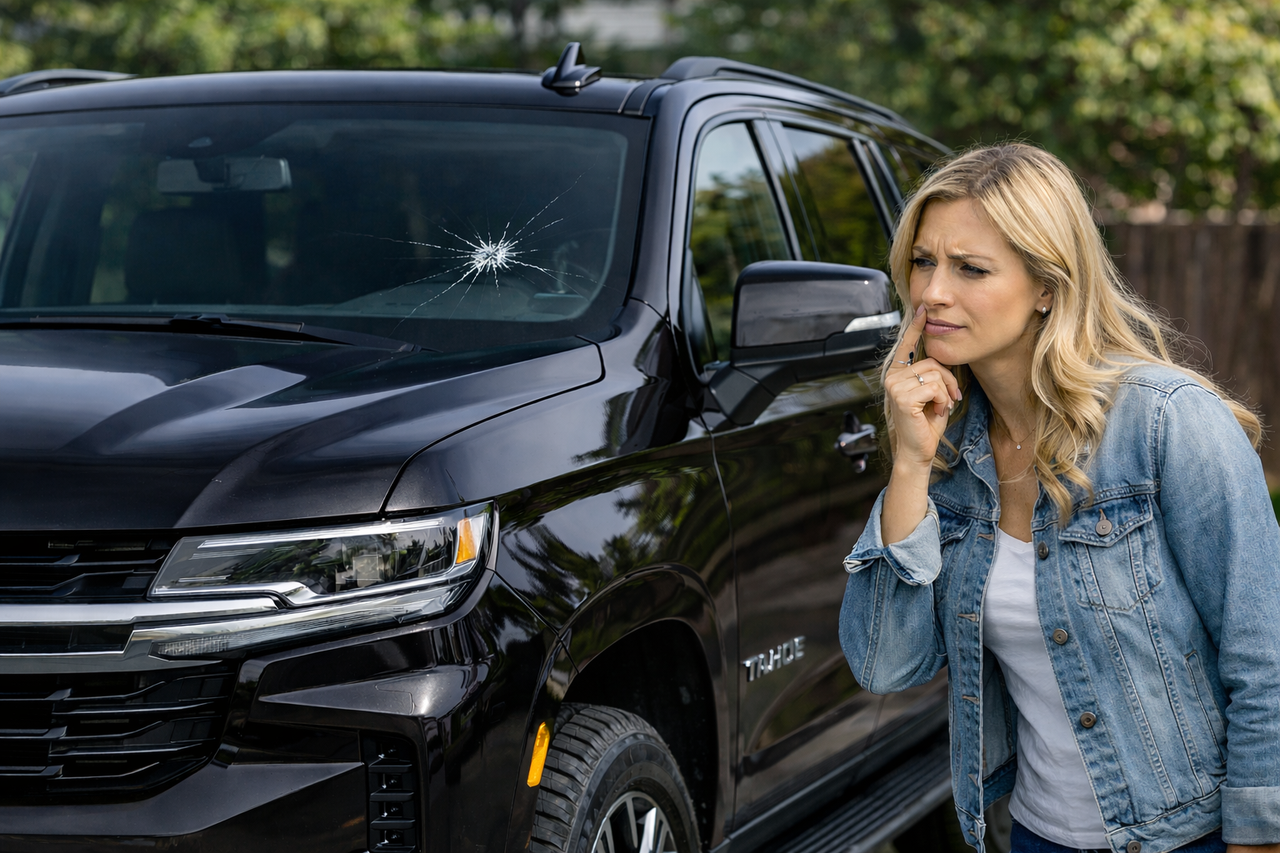
For small chips and short cracks away from the edges, windshield repair High Point can save the original factory bond and keep rust risk low. Injected resin stabilizes the damage and prevents moisture infiltration. Once a crack reaches the edge, though, the bond is compromised. That is the moment to plan for replacement and, if the vehicle is older or has prior glass work, budget time to evaluate and correct any rust we find. Holding onto a borderline windshield to avoid replacement often backfires when the expanding crack carries moisture to the channel and turns a manageable job into a corroded mess.
What to expect on the day of service
When you schedule auto glass repair High Point or replacement with rust concerns, plan to meet the tech, walk the vehicle together, and agree on decision points. If we find minor rust, we’ll proceed with remediation and keep you updated. If we uncover severe corrosion, we’ll pause, document with photos, and outline a path that may include a body shop. Once the glass is set, we observe safe drive away times, perform any needed calibrations, and do a water test. You leave with care instructions, including avoiding car washes for a couple of days and watching for any signs of moisture or wind noise.
Final thoughts from the field
Rusted frames are not a death sentence for your vehicle, nor a reason to fear glass work. They are a signal to choose the right partner and give the process the time it deserves. I have seen sedans rescued from chronic leaks by an extra hour of prep and the right primers, and SUVs saved from future headaches by sending them to metal repair before touching the glass. Whether you need car window replacement High Point service after a break‑in or a full windshield replacement High Point after a highway crack, ask the shop how they handle rust. Clear answers now prevent cloudy windshields, wet carpets, and rattling trims later.
If convenience matters and conditions allow, mobile auto glass High Point service remains a solid option. If the weather and the frame argue against mobile, take it as a sign the shop values doing it right. The goal is simple: restore strength, keep the cabin dry, and send you back on the road with a view as clear as the workmanship holding it in place.